Tooth Sensitivity: Causes and Treatment Options
Patient-friendly guidance on tooth sensitivity and its possible causes, including when it may be recommended, how the decision is made, and what to expect before and after treatment.

In brief
- Tooth sensitivity is considered when it supports safer, calmer, or more predictable dental care.
- The right solution depends on the condition of the teeth, gums, bone, bite, and overall health.
- A responsible recommendation is always based on examination, diagnostics, and an individual treatment plan.
- If you are comparing options, the goal is to choose the least invasive reliable solution.

Useful to know
- Bring any previous X-rays, medical notes, or a list of medications to the consultation.
- Ask about alternatives, expected healing time, and maintenance before deciding.
- Costs can vary by complexity, so final pricing should follow a personal examination.
- Aftercare and regular follow-up often matter as much as the procedure itself.
When can tooth sensitivity be helpful?
This topic is usually relevant when symptoms, missing tooth structure, aesthetic concerns, inflammation, bite problems, or planned tooth replacement make simple monitoring insufficient. In these cases, the first step is to understand the cause of the problem rather than choosing a treatment too quickly.
At PureDental, related cases are assessed through dental assessment and diagnostics and, when needed, additional imaging. This helps the dentist explain whether tooth sensitivity is the right direction or whether a more conservative alternative may be enough.
How the decision is made

The decision is based on the current condition, the expected long-term stability, and your personal priorities. For many patients, the most useful consultation is one that compares the realistic options, explains the trade-offs, and gives a clear sequence of steps.
You can also compare the broader treatment category on the dental assessment and diagnostics page. If price is part of your decision, use the English dental price list as a general guide, but treat the final quote as individual because the exact scope may differ from patient to patient.
What to expect at the appointment

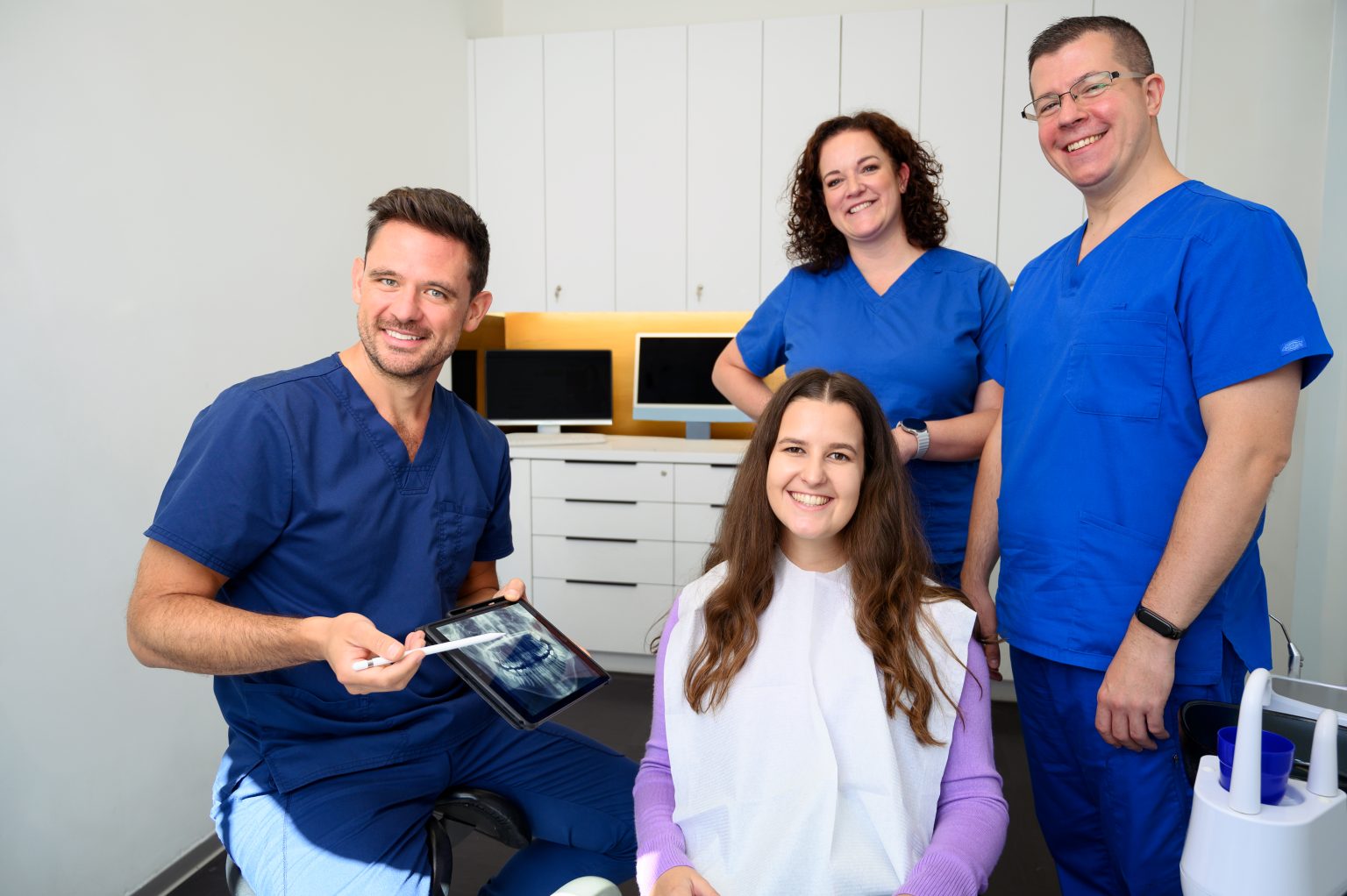
Your dentist will review your symptoms, examine the mouth, and explain the relevant findings in plain language. If treatment is recommended, you should receive a step-by-step plan, including preparation, anesthesia options, healing expectations, and follow-up needs.
The aim is not to push every patient toward the same solution. The aim is to choose a treatment that is medically sound, comfortable to go through, and maintainable in the long term at the PureDental clinic in Budapest.


Frequently Asked Questions

Is tooth sensitivity right for everyone?
No. It depends on the diagnosis, your general health, your expectations, and whether a simpler or more conservative option would be reliable.
Will I receive a personal treatment plan?

Yes. A personal treatment plan should explain the recommended steps, alternatives, expected timing, aftercare, and estimated costs.
What should I ask during the consultation?
Ask why the treatment is recommended, what alternatives exist, how long healing may take, what maintenance will be needed, and what could happen if treatment is postponed.
Related reading
These resources can help you place this topic in context and compare nearby treatment options.
Summary
Tooth sensitivity can be a useful solution when it is chosen for the right reason and planned around your individual condition. The safest next step is a consultation where the dentist can compare the available options and explain the expected outcome.
PureDental – The final recommendation is always based on a personal examination and an individual treatment plan.
Would you like a clear treatment plan?
Book an English-language consultation and we will discuss your symptoms, options, timing, and expected costs in a calm, structured way.