Aesthetic dentist and patient during a pre-treatment consultation at the PureDental clinic in Budapest
2approvaltreatment plan, then smile design
Clear silicone templatepre-planned tooth shape
Aesthetic dentistry · Smile makeover

Injection molding - injectable composite technique in Budapest

A pre-planned, natural-looking smile makeover that preserves as much of your own tooth structure as possible

Would you like a more beautiful smile, but not necessarily ceramic veneers or crowns? Are you bothered by gaps between your teeth, worn tooth edges, uneven tooth shapes or minor aesthetic flaws?

Injection molding, also known as the injectable composite technique, is a modern aesthetic dental procedure in which a pre-planned tooth shape is created with a special clear silicone template and tooth-coloured composite.

At the PureDental clinic in Budapest's 2nd district, the treatment is preceded by personalised smile design. The aim is for the restored teeth to blend harmoniously with your face and your natural teeth, while preserving healthy tooth structure wherever possible.

  • Tooth-preserving approach: in some cases it can be used without tooth reduction.
  • Pre-planned tooth shape: made from a digital design and a silicone template.
  • Natural-looking composite restoration: the shape, length and proportions of the teeth can be modified.
  • Repairable restoration: if needed, the composite can later be polished or repaired.
1visitin many cases the final composite is completed after the planning
6stepsfrom the consultation to the bite check
4areagaps, worn edges, tooth shapes, several front teeth
3methodcompared: injectable, direct and ceramic veneer
At a glance

In brief: what is the injectable composite technique good for?

In brief

The injectable composite technique is an aesthetic dental restoration in which the new tooth shape is first planned digitally or on a laboratory model and then built from composite with the help of a clear silicone template.

It can be a particularly good choice if your teeth can basically be kept, but you would like to change their shape, size or proportions relative to each other.

It is not the right solution in every case. If there is a larger loss of tooth structure, a significant bite discrepancy or unfavourable loading conditions, a different treatment may be justified.

The technique can, for example:
  • close certain gaps between teeth;
  • restore worn or chipped tooth edges;
  • correct minor irregular tooth shapes;
  • lengthen teeth that are too short or too narrow;
  • give several front teeth a uniform shape based on a single, pre-planned concept.
Additive technique

One important advantage of the method is that in suitable cases we can work with an additive technique. This means that the new tooth shape is built up by adding composite, and healthy tooth structure does not necessarily have to be ground away.

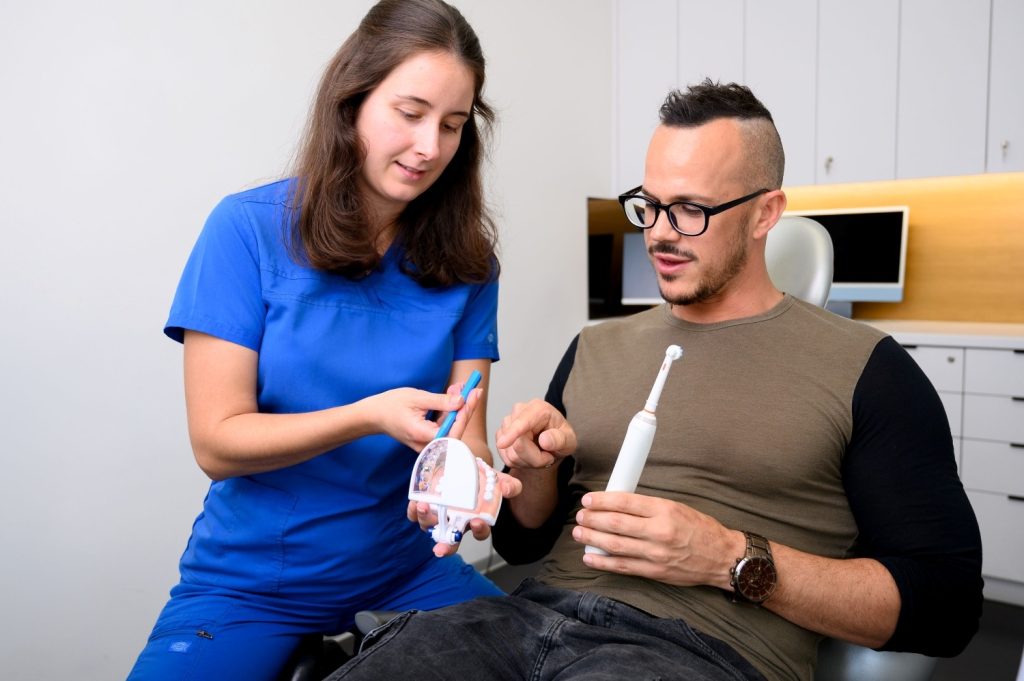
A dentist shows the patient the planned tooth shape on a tooth model
The method

What is the injection molding technique in dentistry?

The literal meaning of injection molding is shaping by injecting material into a mould. In dentistry it means a template-guided direct composite restoration, in which the dentist creates the pre-planned tooth shape directly on the patient's teeth using composite.

During the procedure, a clear silicone template is placed on the teeth. Its inner shape follows the planned result. Flowable composite is introduced through suitable openings in the template into the prepared space and then polymerised with a curing light.

After the template is removed, we check the shape of the teeth, then finish and polish them.

The method is not the same as a conventional injection: no material is injected into the tooth. The composite restoration is formed between the pre-made template and the tooth surface.

How does the injectable composite technique work?

The method is based on prior planning. The dentist and the dental technician decide what shape we want to create, and the laboratory or digital wax-up is made accordingly.

A clear silicone template is made from the planned tooth shape, which helps transfer the new tooth contours into the mouth.

A composite material suited to the purpose is delivered to the right place through the template. The material follows the inner surface of the template and takes on the planned shape.

However, the accuracy of the template alone is not enough for a successful treatment. Equally important are proper tooth surface preparation, the bonding technique, moisture control, the choice of material and the final bite adjustment.

Why is prior smile design important?

Smile design helps determine the desired length, width, axis and proportions of the teeth relative to each other.

Because the injection molding technique follows these pre-planned shapes, accurate planning is especially important.

At PureDental we first examine your teeth and give you a personalised treatment plan. We start the digital planning only after you have accepted the treatment plan. The final composite restoration is made after the smile design has been approved.

Read more: Smile design in Budapest.

Indications

Who do we recommend the injectable composite technique for?

The injectable composite technique may be suitable mainly for patients who want to change the shape or appearance of several teeth and whose tooth condition and bite are also favourable.

Closing gaps between teeth:Diastema, small spaces between teeth

Smaller gaps between the front teeth, such as a diastema between the incisors, can in some cases be closed by adding composite.

Prior planning helps ensure that the teeth do not become disproportionately wide once the gap is closed, and that the spaces between the teeth remain easy to clean.

Restoring worn or chipped tooth edges:Worn or chipped incisal edges

If the edges of the incisors have worn down, become uneven or small pieces have chipped off, the injectable composite technique can in some cases restore a tooth length and shape close to the original.

Before treatment it is important to examine the cause of the wear. If it results from night-time teeth clenching or grinding or an unfavourable bite, these must also be taken into account in the long-term treatment plan.

Correcting irregular or disproportionate tooth shapes:Narrow, short or peg-shaped teeth

The appearance of narrower, shorter or differently shaped teeth can be modified by adding composite.

The method can be especially useful, for example, for narrow, peg-shaped lateral incisors, uneven tooth edges or minor shape asymmetries.

Aesthetic makeover of several front teeth:A shared, pre-planned concept

If we want to harmonise the shape of several front teeth, injection molding allows the tooth shapes to be created according to a single, pre-planned aesthetic concept.

This can be an advantage when we want to restore not just one tooth, but, for example, a group of upper front teeth aesthetically.

When is injection molding not recommended?

The injectable composite technique is not suitable for every dental problem.

Another treatment may be preferable if:
  • the teeth are significantly crowded or are in a very poor position;
  • there is a large loss of tooth structure;
  • the bite would load the composite restorations unfavourably;
  • there is active tooth decay or untreated gum disease;
  • significant tooth wear or untreated teeth grinding puts the restorations at high risk of damage;
  • the desired aesthetic result cannot be achieved properly with composite.

In such cases orthodontics, ceramic veneers, a crown or another restoration may also come into question.

Comparison

Injection molding, direct veneer or ceramic veneer: which is better?

All three procedures can be suitable for improving the appearance of the teeth, but they use different techniques and materials.

An important difference is that injection molding is not a separate filling material, but one of the techniques for making a direct composite restoration. A conventional direct veneer and injectable composite can therefore belong to the same restorative material group; the difference lies mainly in how the restoration is made.

Swipe the table sideways for the full comparison →

AspectInjectable compositeConventional direct composite veneerCeramic veneer
MaterialTooth-coloured compositeTooth-coloured compositeDental ceramic
FabricationPre-planned shape, with a silicone templateMostly built up directly by handIn a dental laboratory
Tooth reductionCan sometimes be avoidedCan sometimes be avoidedMay be necessary, depending on tooth position and the plan
PlanningTypically wax-up and templateIndividually, with a template if neededWith digital or conventional planning
RepairabilityCan often be repaired directlyCan often be repaired directlyRepair can be more complex
Aesthetic possibilitiesGood, but the material and technique can limit layeringA range of manual shade and layering optionsWide aesthetic and optical possibilities
Long-term behaviourDepends on the material, loading and techniqueDepends on the material, loading and techniqueOften better colour stability, but can also be damaged

How is it different from a conventional direct veneer?

A conventional direct composite veneer is usually built up by the dentist directly on the tooth surface, with manual layering and shaping.

With injection molding, by contrast, a large part of the shape is already planned before treatment. The clear silicone template helps reproduce this shape in the mouth.

This can be especially useful when several teeth are restored together. At the same time, conventional direct layering can offer more options in certain aesthetic situations for creating individual colour effects and translucency.

Injection molding or ceramic veneer?

In some cases the injectable composite technique can be a gentler, repairable alternative to a ceramic veneer.

Ceramic veneers, on the other hand, generally have favourable colour stability and wear resistance, and may also be suitable for creating more complex optical effects.

In making the decision we take into account the condition of the tooth structure, the extent of the desired change, the bite, long-term maintenance and the patient's needs.

Details: Dental veneers - direct and ceramic veneers.

Technology

What technology is the injectable composite made with?

01

Digital impression and smile design

  • Digital photos
  • Intraoral scanner
  • 3D model

Once the treatment plan has been accepted, we use digital photos and an impression taken with an intraoral scanner for the planning.

On the three-dimensional model of the teeth, the new tooth shape, the desired tooth length and the proportions relative to each other can be defined.

02

Wax-up and clear silicone template

  • Wax-up
  • Clear template
  • Light curing

The planned tooth shape is visualised with a laboratory or digital wax-up.

A special clear silicone template is made from the model. It gives the shape that the composite restoration will later follow.

The transparency of the template also helps the light-curing composite to polymerise.

03

Special injectable composite material

  • Mouldable
  • Polishable
  • Chosen for the load

For injection molding we use a dental composite that is suitable for shaping through the template.

When selecting the right material, mechanical resistance, wear properties, polishability, shade and the expected load on the given tooth are important.

Not every flowable composite is suitable for every restorative situation. Especially for teeth exposed to heavy chewing forces, the properties of the chosen material and the limits of the treatment must be carefully weighed.

The course of treatment

How does injection molding treatment work step by step?

In brief

At PureDental, injectable composite restoration is preceded by an initial examination and personalised planning. Before the actual treatment begins, you can get to know the proposed solution and its expected aesthetic result.

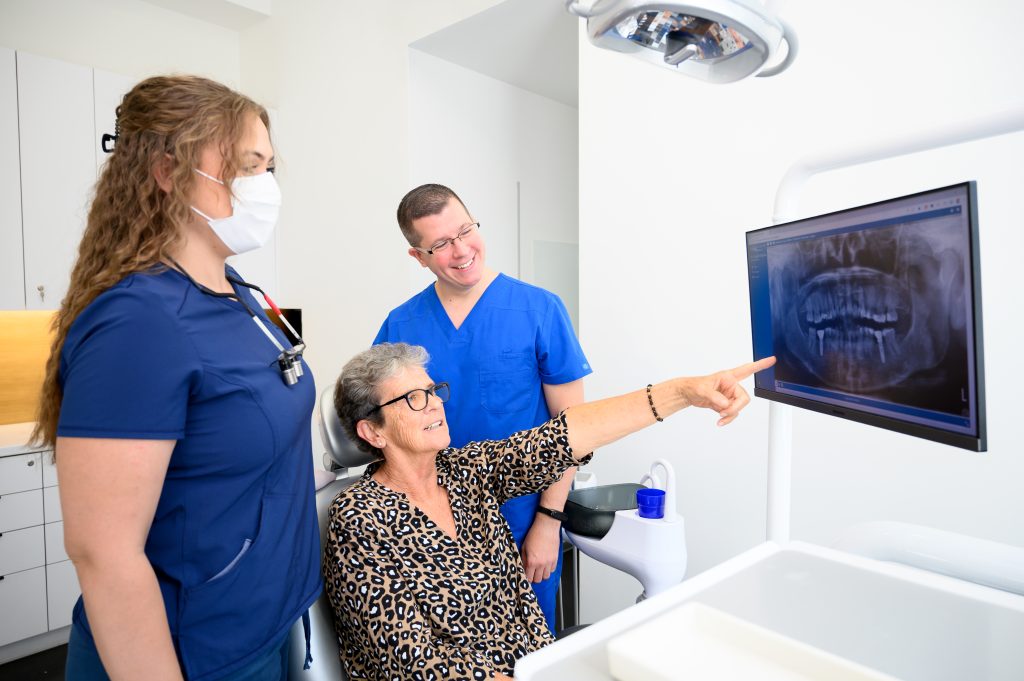
A dentist shows the patient the scan on the screen and the planned treatment
1.Planning phase

Consultation, digital planning and trial smile

1

1.Consultation and personalised treatment plan

First we examine the condition of your teeth, gums and bite, then discuss your aesthetic wishes in detail.

We assess whether the injectable composite technique is the right choice, or whether another treatment - for example a conventional direct veneer, orthodontics or a ceramic veneer - may be a better solution.

After the consultation you receive a written treatment plan and quote.

We start the digital smile design only after you have accepted the treatment plan.

2

2.Photo documentation, digital impression and wax-up

After you have accepted the treatment plan, we take photo documentation and a digital impression with an intraoral scanner.

On this basis we plan the desired shape, length and proportions of the teeth, and then the wax-up model is made.

During planning we consider not only the aesthetic appearance of the teeth but also the bite and the proper spacing between the teeth.

3

3.Mock-up: trying out the planned smile

If it is part of the treatment plan, we make a temporary trial smile, that is, a mock-up, from the wax-up.

With its help you can see the planned tooth shape on your own teeth and tell us if you would like to change the proportions or the shape.

The mock-up can usually be tried on without any tooth reduction, but it does not necessarily show every optical detail of the final composite.

We begin the actual injectable composite restoration after the smile design has been approved.

Approvalthe composite restoration begins afterwards
A dentist and assistant during an aesthetic composite treatment
2.Treatment phase

Bonding, injection and finishing

4

4.Tooth surface preparation and bonding

During treatment we clean and prepare the tooth surface as needed.

For the composite to adhere properly, a precise bonding protocol is required. This may include etching the enamel, applying a suitable adhesive and careful moisture control of the area being treated.

Where possible, we use rubber dam isolation, if it is appropriate for the restoration concerned.

Whether tooth reduction is needed always depends on the individual tooth position and treatment plan. In some cases the restoration can be made with an additive technique, without removing significant tooth structure.

5

5.Injecting the composite with the template

We place the pre-made clear silicone template on the teeth and deliver the composite needed for the planned restoration through the suitable openings in the template.

The material follows the inner shape of the template, so the teeth can be built up in line with the planned form.

We polymerise the material with a curing light. When several teeth are restored, we treat them in a defined order, properly separating neighbouring teeth.

6

6.Finishing, polishing and bite check

After the template is removed, we carefully check the shape of the teeth, the spaces between them, the margins of the restorations and the bite.

We remove excess composite, finish the surfaces and then polish to create smooth, glossy restorations that are easy to keep clean.

At the end of the treatment we also check how the teeth contact each other and the load during chewing.

After the planning, the final composite restorations can in many cases be completed in a single treatment session, but the whole process - from the consultation to the final finish - may require several appointments.

Transparent prices

How much does injection molding treatment cost?

The price of the injectable composite technique depends primarily on how many teeth the restoration involves, how complex the planned shape is, and what preparation is needed.

The price of injection molding

Direct veneer with the injection molding technique€378/ tooth

The price of a direct veneer with the injection molding technique is €378 per tooth. The total depends on the number of teeth to be treated and the complexity of the case; we give the exact amount in a written quote after the examination.

What does the total depend on?

Several factors influence the exact price:

  • 01the number of teeth to be treated;
  • 02the current condition of the teeth;
  • 03the extent of the desired aesthetic change;
  • 04whether smile design and a trial smile are needed;
  • 05the chosen composite material and the complexity of the restoration;
  • 06any pre-treatment that may be needed.

We explain the costs in detail before treatment begins and give you a written quote.

Payment options

At the PureDental clinic you can pay for dental treatments in cash, by bank card or by advance bank transfer.

Whether treatments can be claimed from a health fund depends on the rules of the given fund and the nature of the treatment. Details: Health fund.

You can find the full price list on the PureDental price page.

Oral hygiene advice for the long-term maintenance of composite restorations
Durability and care

How durable is the injectable composite?

The lifespan of restorations made with injectable composite depends on several factors, so no exact duration that applies to every patient can be given.

Durability is influenced by the composite material used, the quality of the bonding, the size of the restoration, the bite load, any teeth grinding, oral hygiene and regular check-ups.

Composite restorations may discolour, wear or suffer minor damage over time. Their advantage, however, is that in many cases they can be repaired or re-polished directly.

How do you care for teeth restored with injectable composite?

Good oral hygiene and regular dental check-ups are the basis of maintaining the restorations.

It is important to brush twice a day with fluoride toothpaste, clean between the teeth, and have the margins of the restorations and the bite checked periodically.

Avoid biting hard objects, opening packages with your teeth, and habits that may cause excessive load.

If you clench or grind your teeth, a custom-made protective splint may be needed.

Read more: Night-time teeth clenching and grinding.

Advantages and limitations

Advantages and limitations of the injectable composite technique

Why can it be advantageous?

01

Tooth preservation

in certain situations the desired change in shape can be achieved without reduction.

02

Pre-planned tooth shape

the template helps transfer the proportions defined in the wax-up.

03

Coordinated restoration of several teeth

the new tooth shapes are made from a shared plan.

04

Restoration made directly

the final composite is built up on the tooth surface.

05

Repairability

for minor damage or wear, repair or polishing is often possible.

06

Personalisation

during planning we take aesthetic wishes and functional aspects into account.

What are its limitations?

The method does not replace a ceramic veneer or crown in every situation.

The wear, discolouration and risk of damage of composite can differ from those of ceramic. The conventional single-shade injection technique cannot always create the same complex optical effects as direct composite built up in several layers or laboratory ceramic.

There is currently less good-quality comparative data on long-term clinical results than for some conventional restorative procedures. This is why correct indication and an assessment of the loading conditions are especially important when choosing the treatment.

Real results

Before and after: our injectable composite cases

Drag the slider to compare the two states.

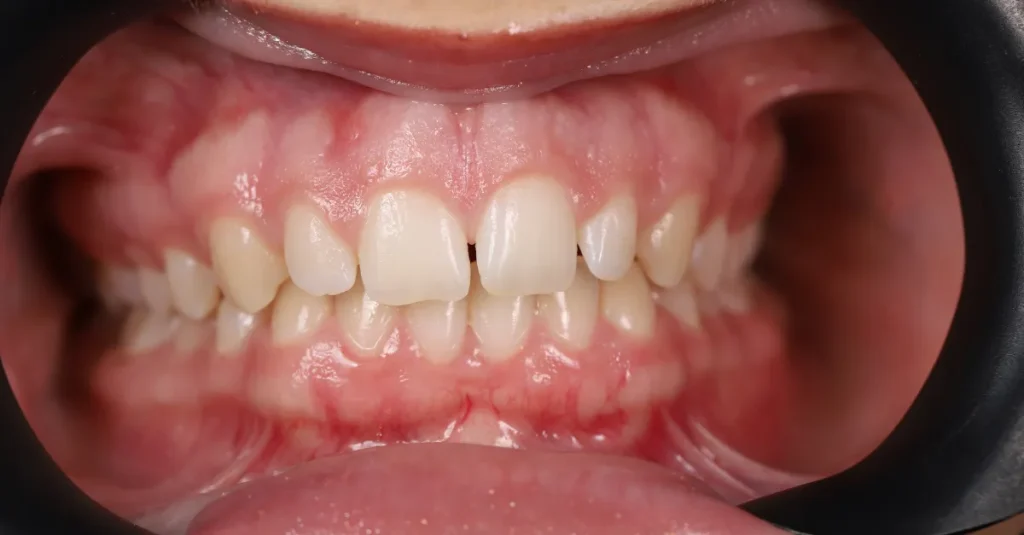
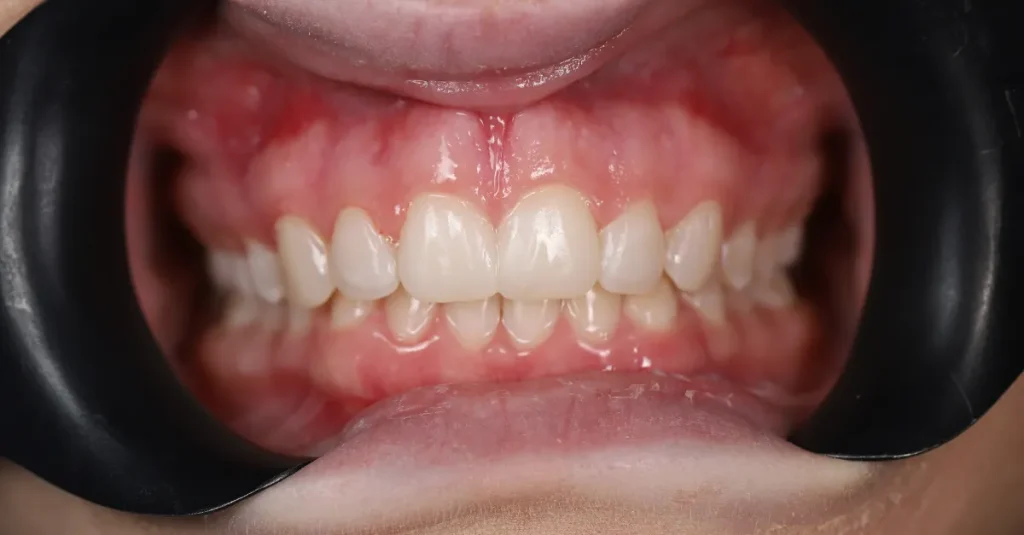
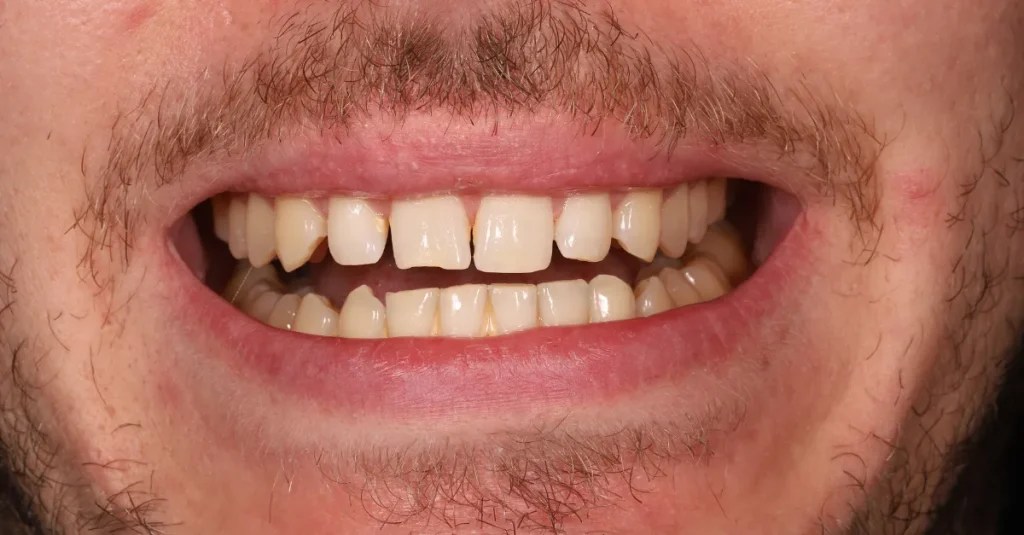
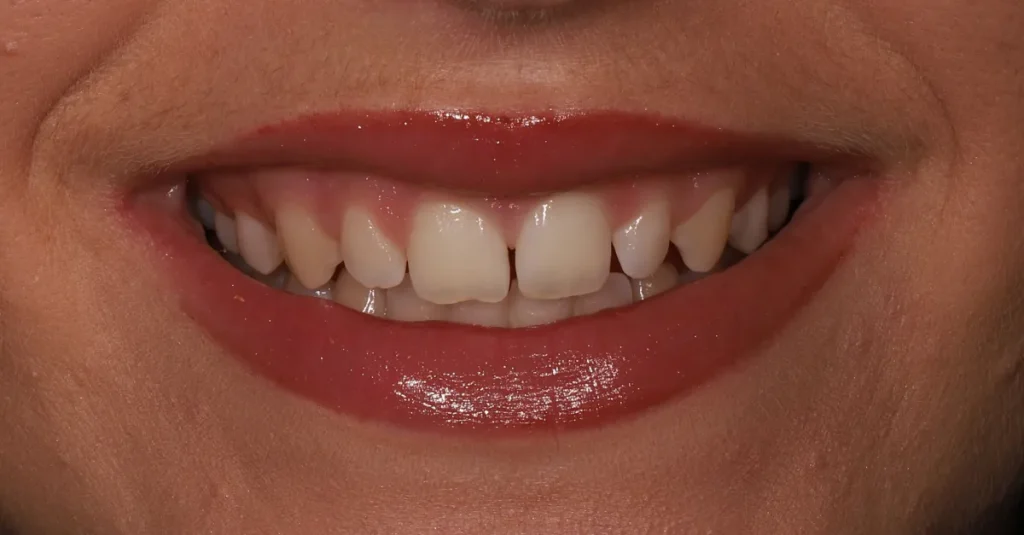
Before - gaps and differently shaped front teeth
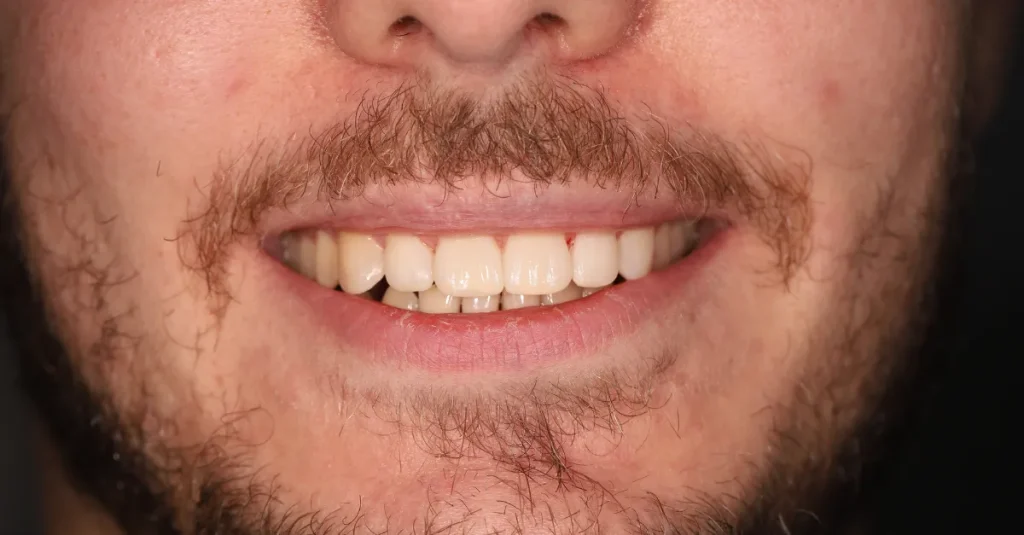
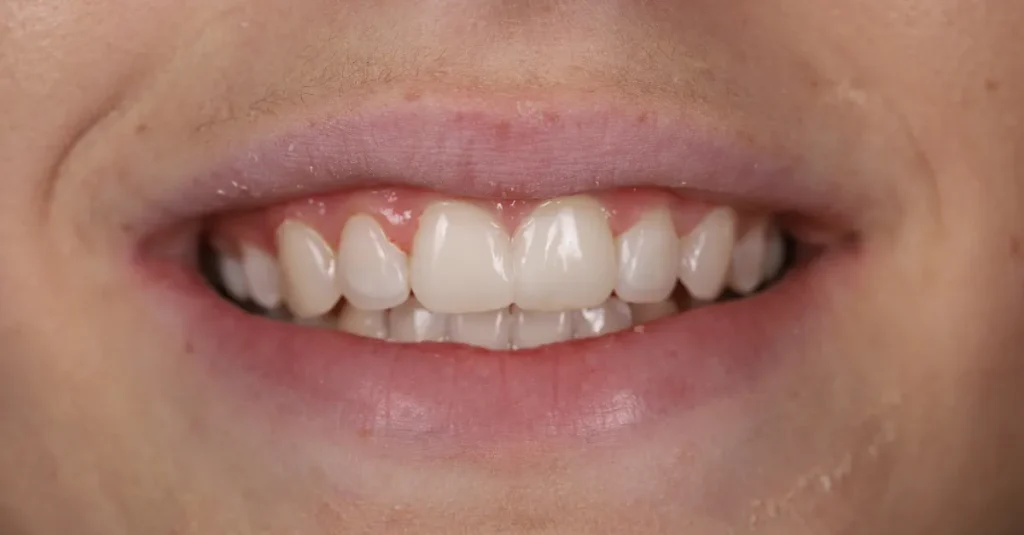
After - harmonised front teeth with injectable composite
BeforeAfter
  • Treatment: Injectable composite technique
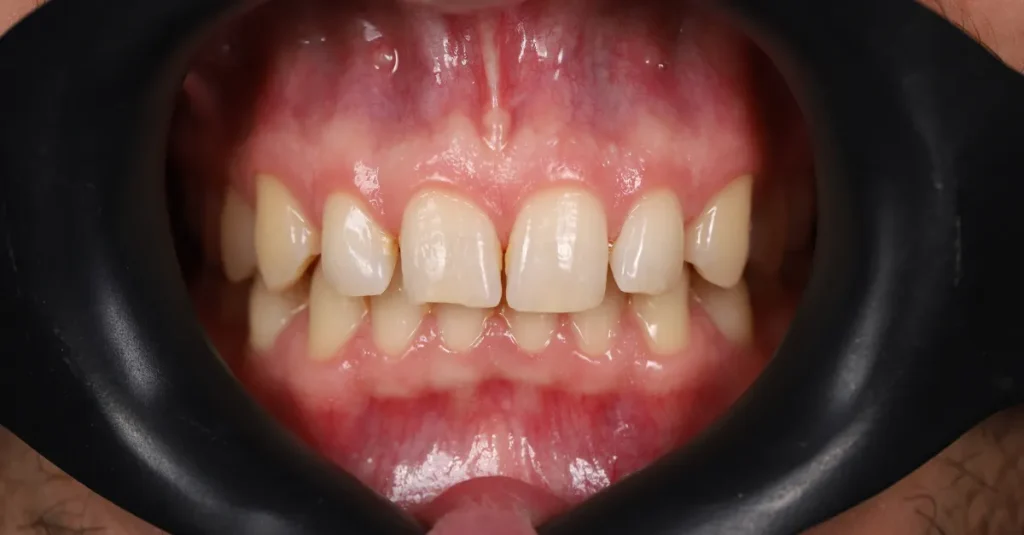
Before - worn, uneven tooth edges
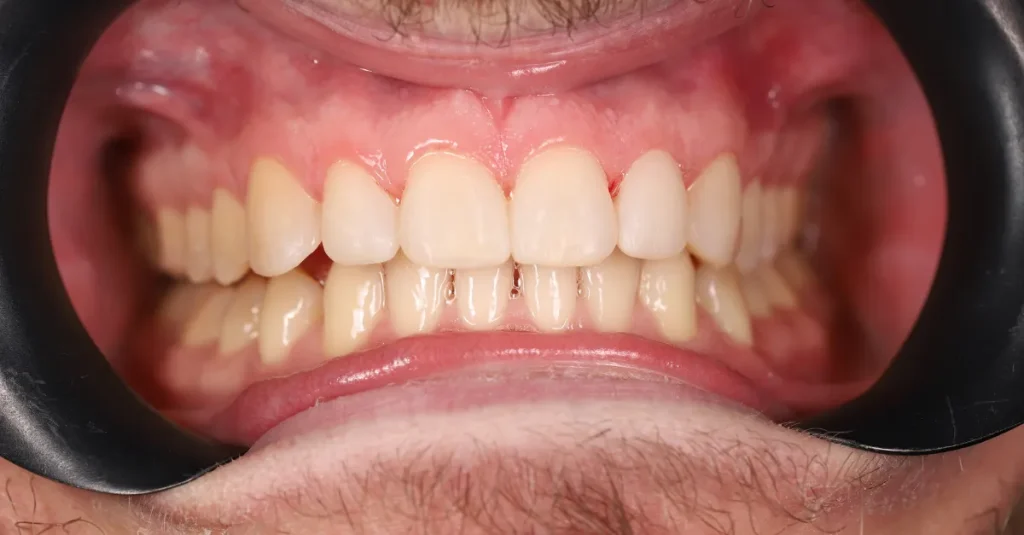
After - restored tooth edges with injectable composite
BeforeAfter
  • Treatment: Injectable composite technique
Before - gaps and uneven tooth shapes in the front teeth
After - front teeth of uniform shape with injectable composite
BeforeAfter
  • Treatment: Injectable composite technique
Before - gap between the central incisors
After - closed gap, harmonious front teeth with injectable composite
BeforeAfter
  • Treatment: Injectable composite technique
A dentist discusses the treatment plan with the patient on a tooth model
PureDental

Why have your injectable composite treatment at PureDental?

Personalised smile design

We do not choose your smile from a template. In the treatment plan we take into account your facial features, the characteristics of your teeth, your bite and your own ideas.

Digital impression and prior planning

We prepare the restoration with an intraoral scanner and digital planning tools. This supports precise communication between the dentist and the dental technician.

Preserving your own tooth structure

During treatment we aim to remove tooth structure only when, and only to the extent, that is necessary for a proper restoration.

Transparent treatment plan and costs

After the consultation we give you a written treatment plan and quote. Digital planning, and then the final restoration, begin only after you have accepted the given stage.

Aftercare and check-ups

After treatment we give you information on how to clean the restorations properly, the maintenance they are likely to need and the check-ups required.

What is injection molding in dentistry?

Injection molding is an aesthetic dental technique in which the new shape of the teeth is planned in advance and then created with composite delivered through a clear silicone template.

The method is also called the injectable composite technique or template-guided composite restoration.

Do teeth need to be ground for injectable composite treatment?

Not in every case. If the desired tooth shape can be created properly by adding composite, the treatment can be done even without tooth reduction.

In other cases some minor preparation of the tooth surface may be needed. The decision depends on the position of the teeth, the bite and the shape of the planned restoration.

Is injection molding treatment painful?

Planning and trying on the trial smile are usually painless.

The actual composite restoration can in many cases be done without anaesthesia, especially if no tooth structure needs to be removed. If preparation or another procedure justifies it, we use local anaesthesia.

How long does the treatment take?

The whole process usually consists of several stages: consultation, treatment plan, digital smile design, a trial smile if needed, and then the final composite restoration.

In many cases the final injectable composite restorations can be made in a single treatment session once the planning and the template are ready.

The exact duration depends on the number of teeth involved and the complexity of the case.

Can several teeth be treated at once?

Yes. One area of application for injection molding is the coordinated aesthetic restoration of several front teeth.

During planning we define the shape and proportions of the teeth, and then create the composite restorations in the right order with the help of the pre-made template.

Is it suitable for closing gaps between teeth?

In some cases, yes. Smaller gaps can be closed by adding composite, if the final proportions of the teeth and their cleanability can be created properly.

For larger gaps or significant tooth position discrepancies, orthodontics may be preferable.

Can it also be used if I grind my teeth?

If you grind your teeth or clench them strongly, extra care is needed, because the higher load can damage the composite restorations.

In this case, planning the restoration purely on aesthetic grounds, without examining the bite and assessing the cause of the tooth wear, is not recommended. If needed, a protective splint or another supplementary treatment may also come into question.

How durable is injectable composite?

Durability depends on the chosen material, the size of the restoration, the bite load, oral hygiene and individual habits.

Composite may wear, discolour or chip over time, but in many cases it can be repaired and re-polished.

The number of long-term clinical studies on the method is still limited, so a lifespan that applies to every case cannot be reliably given.

What is the difference between injection molding and smile design?

In smile design we define in advance the desired shape and proportions of the teeth.

Injection molding, by contrast, is one method of actually creating the planned tooth shape, using a clear silicone template and composite.

The two processes can therefore be linked, but they are not the same.

How is it different from a biomimetic filling?

A biomimetic filling is a tooth-preserving restorative approach that focuses primarily on restoring the structure and function of a damaged or weakened tooth.

Injection molding, by contrast, is a specific, template-guided technique for building up composite, which we use, among other things, for aesthetic tooth shape correction.

The two approaches may overlap in certain principles - such as preserving tooth structure and the importance of adhesive bonding - but they are not the same.

Read more: Biomimetic fillings.

Is injectable composite better than a ceramic veneer?

It cannot be said in general that one method is better in every case.

The advantage of injectable composite can be tooth-sparing execution and repairability. A ceramic veneer, on the other hand, can in many cases offer more favourable long-term colour stability and more complex aesthetic possibilities.

We always choose the right solution based on the condition of the teeth, the desired result, the bite and the patient's needs.

How much does injectable composite treatment cost?

The exact price depends on the number of teeth treated, the complexity of the planning and the type of final restoration.

In the PureDental price list, a direct veneer with the injection molding technique costs €378 per tooth. We set the exact total in your individual treatment plan.

What happens if I do not like the planned smile?

During the digital design and trial smile stage it is possible to modify the shape and proportions of the teeth.

We begin the actual composite restoration only after the plan has been approved. However, the fee for planning work already carried out is charged according to the agreed terms.

Can it be claimed from a health fund?

Whether it can be claimed depends on the rules of the given health fund and the nature of the treatment.

You can read the details in our health fund information, or ask our colleagues for help.

Consultation

Request an appointment for an injectable composite consultation

Would you like to correct gaps between your teeth, restore worn tooth edges, or get a more natural, harmonious smile?

At the PureDental clinic in Budapest's 2nd district, we help you decide, with a detailed examination and a personalised treatment plan, whether the injection molding technique could be the right solution for you.

At the consultation we discuss the possible treatments, their advantages and limitations, and the expected costs.

  • Personalised treatment plan and quote
  • Prior digital smile design
  • An approach that puts preserving your own tooth structure first
  • Natural-looking, repairable composite restorations