Ultrasonic tartar removal

Clean, smooth tooth surfaces, healthy gums, and fresh breath in just one treatment

Tartar builds up invisibly on the surface of the teeth over a long period of time: at first, only slight discoloration, then bleeding gums, sensitivity, and finally unpleasant breath and gum inflammation indicate the problem.

At PureDental, we use ultrasonic tartar removal and Air-Flow polishing to clean your teeth effectively, painlessly, and gently, leaving them smooth, clean, and shiny after just one treatment.

What Is Ultrasonic Tartar Removal?
Ultrasonic Tartar Removal

What Is Ultrasonic Tartar Removal?

Ultrasonic tartar removal is a painless, gentle oral hygiene treatment in which a special device emitting ultrasonic vibrations (a scaler) removes hardened plaque (tartar) from the surface of the teeth and beneath the gumline. It doesn't damage the enamel and prevents gum inflammation, periodontal disease and tooth decay from developing.

At PureDental, we complement the treatment with Air-Flow sandblasting polishing and personalised oral hygiene advice – so you receive complete dental hygiene care in a single visit.
01 — Instrument

Ultrasonic scaler

Removes hardened plaque from the tooth surface and beneath the gumline with gentle ultrasonic vibration, without damaging the enamel.

02 — Effect

Prevention

Prevents gum inflammation, periodontal disease and tooth decay from developing, preserving the health of your teeth and gums long-term.

03 — Complementary care

Air-Flow + advice

With sandblasting polishing and personalised oral hygiene advice, you receive complete dental hygiene care in a single visit.
Discover how ultrasonic tartar removal works at PureDental!

Video thumbnail
Watch video

Who should consider ultrasonic tartar removal?

The goal of professional cleaning is not only to remove tartar, but also to restore the health of the entire oral cavity.

Tartar is not only an aesthetic issue; bacteria settle on its hard, rough surface, which can cause gum inflammation, periodontal disease, and bone loss.

Tartar removal is one of the most important preventive dental treatments, preserving the long-term health of your teeth and gums with minimal time investment.

It is especially recommended if you:

  • experiencing bleeding gums when brushing teeth
  • sees yellowish or brownish discoloration
  • bad breath or gum sensitivity bothers you
  • has braces, crowns, or implants
  • has not had tartar removal for a long time

The treatment process

At PureDental, every dental hygiene treatment begins with an individual assessment carried out by our dental hygienist to ensure that the procedure is tailored to your needs and dental condition. The treatment takes approximately 60 minutes, is completely painless, and you can eat and drink immediately after the procedure.

17_Tooth

1. Ultrasonic cleaning

The gentle vibrations of the ultrasonic scaler remove tartar above and below the gum line without damaging the enamel.

17_Tooth

2. Anesthesia (if necessary)

For our more sensitive patients, we use modern, fast-acting local anesthesia, so the entire treatment is completely painless.

17_Tooth

3. Polishing

After cleaning, we polish the tooth surface with a circular brush and special fluoride paste to make it completely smooth again, so that plaque will have a harder time sticking to it later on.

17_Tooth

4. Air-Flow sandblasting cleaning

Sandblasting with a fine mist of water and salt removes stubborn, deeper discoloration (such as stains caused by coffee, tea, or smoking) and gives teeth a natural shine.

17_Tooth

5. Instruction and plaque staining (if required)

After tartar removal, our dental hygienists provide personalized advice on proper oral care at home. They use plaque staining to highlight areas that are difficult to clean, then teach you personalized techniques for proper tooth brushing and interdental cleaning. This helps prevent tartar from forming again and contributes to maintaining a healthy, fresh-smelling smile.

Ultrasonic vs. Manual vs. Air-Flow
Which Method for What?

Ultrasonic vs. Manual vs. Air-Flow – Which One When?

Modern dental hygiene combines three main methods, because each is effective against a different type of deposit. At PureDental, all three are performed within a single treatment – guaranteeing complete cleanliness.

Feature
Ultrasonic
Manual
Air-Flow
How it works
Ultrasonic vibration
Hand curette
Water + salt spray
What it removes
Hard tartar
Hard-to-reach spots
Discolouration, plaque
Painless
Yes
Slightly less comfortable, but local anaesthesia is available
Yes
Gentle on enamel
Yes
Yes
Yes
Combined?
Yes – main method
As a complement
Yes – for polishing
Real results

Ultrasonic Scaling Reference – before / after

Drag the slider to view the result. A real patient of ours, treated with ultrasonic tartar removal.
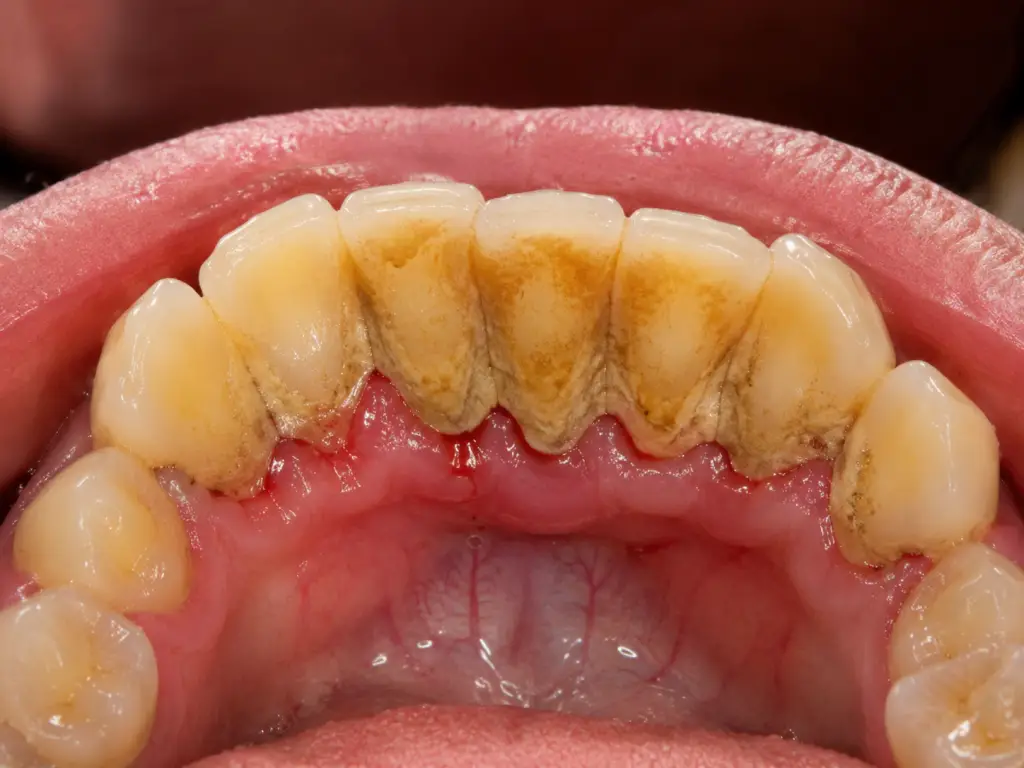
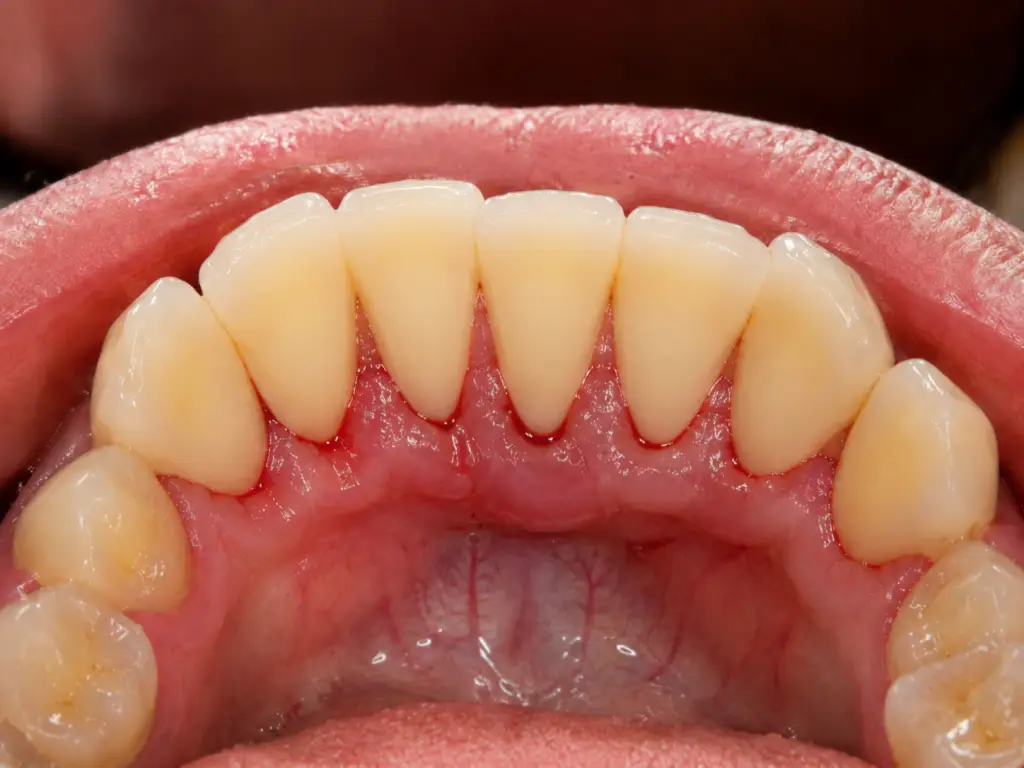
Before – tartar build-up on the inner surface of the teeth Before
After – clean tooth surface following ultrasonic scaling After

Removing built-up tartar with ultrasonic technology

We removed the tartar built up on the tooth surface with ultrasonic scaling, in a single session, resulting in a cleaner tooth surface and healthier gums.

Treatment: Ultrasonic scaling
When Should Tartar Removal NOT Be Performed? – Contraindications
Safe Treatment

When Should Tartar Removal NOT Be Performed? – Contraindications

Tartar removal is generally safe, but in certain cases it's advisable to postpone or modify the treatment – in these situations we always consult with your GP or specialist.

Acute gum inflammation

Treated first

In cases of active, painful acute gingivitis, we treat the inflammation first; tartar removal follows afterwards.

First trimester of pregnancy

Can be postponed

Routine treatment can be postponed during the first trimester of pregnancy; it is recommended in the 2nd trimester.

Unstabilised heart conditions

Consultation required

For unstabilised heart conditions and after certain heart valve surgeries, prior consultation with the treating physician is required.

Diabetes, bleeding disorders

Consultation required

In cases of active diabetes or a bleeding disorder, prior consultation with your GP or specialist is required.

Strong sensitivity

Resolved with anaesthesia

In cases of strong sensitivity, local anaesthesia is used so the treatment can be performed without discomfort.

At the consultation, our dental hygienist – and, if necessary, a periodontist specialist – will discuss with you when and how it's best to carry out the treatment.

How Much Does Ultrasonic Tartar Removal Cost?
Transparent Pricing

How Much Does Ultrasonic Tartar Removal Cost?

The prices below are from PureDental's official price list. The exact amount depends on the extent of the deposits and the combination of treatments – we provide a written quote at the consultation, with no hidden items.

Item Price
Tartar removal with polishing and oral hygiene advice HUF 27,000
Tartar removal with polishing + Air-Flow sandblasting HUF 32,000
Instruction, motivation, plaque staining HUF 13,000
Anesthesia for tartar removal HUF 6,000
Summer Dental Screening Package−50% From HUF 26,000 instead of HUF 52,000

*Prices are from PureDental's official price list and are for guidance only – the final quote is provided at the consultation.

Discounts & Payment

  • 10% discount for retirees
  • Hungarian health savings fund payment accepted (9 domestic partner funds)
  • Summer Dental Screening Package: from HUF 26,000 (50% discount, instead of HUF 52,000)
Full price list: puredental.hu/arak/
How Can Tartar Be Prevented at Home?
At-Home Oral Care

How Can Tartar Be Prevented at Home?

Tartar doesn't form overnight – it mineralises from plaque that hasn't been removed. With proper at-home care, the need for professional tartar removal can be significantly reduced.

24–72 hours This is how long it takes for unremoved plaque to mineralise into hard tartar – which is why every day counts in your daily oral care.
Thorough brushing twice a day with fluoride toothpaste (at least 2 minutes)
Daily use of dental floss or interdental brushes
Antiseptic mouthwash (optional, on medical advice)
Reducing sugary and acidic drinks
Avoiding smoking – nicotine speeds up tartar formation
Six-monthly check-ups and professional cleaning
Frequently Asked Questions About Ultrasonic Tartar Removal
Have a Question?

Frequently Asked Questions About Ultrasonic Tartar Removal

What is tartar, and why is it important to remove it?+
Tartar is mineralised plaque that forms at and below the gumline. If not removed in time, it can cause inflammation, bad breath and periodontal disease. Hardened tartar cannot be safely removed with home tools – a professional, ultrasonic dental treatment is needed.
How do I know if I have tartar?+
Typical signs: yellowish or brownish discolouration at the base of the teeth, gum bleeding when brushing, bad breath, sensitivity. If you notice even one of these signs, it's worth seeing a specialist – early tartar removal is quick and simple.
How often is professional tartar removal recommended?+
The general recommendation is once every six months – this matches the pace at which plaque mineralises. For those wearing braces, smokers and periodontal patients, every 3–4 months is recommended.
What can happen if I don't have my tartar removed?+
Gum inflammation, gum bleeding, gum recession, and eventually periodontal disease (periodontitis) can develop, which can lead to bone loss and tooth loss. Regular tartar removal is the most important preventive treatment.
Is ultrasonic tartar removal painful?+
The treatment is generally completely painless. For more sensitive patients, we use local anaesthesia. Mild vibration or pressure may occur, but without discomfort.
What is Air-Flow technology, and why is it part of the treatment?+
Air-Flow is a procedure using a fine, sprayed mixture of water, salt and air, which removes stubborn, deeper discolouration (from coffee, tea or smoking). It gives your teeth a natural shine and prevents plaque from quickly reattaching.
What happens after the treatment?+
You can eat and drink immediately. We recommend consuming white foods and drinks for the first 24 hours, as teeth are more sensitive to coloured foods after tartar removal. Avoid strong spices, smoking and coffee.
Why is it worth requesting plaque staining and instruction after tartar removal?+
Plaque staining reveals the weak points in your at-home brushing, so we know exactly where more thorough care is needed. Instruction gives you a personalised technique that reduces the chance of tartar forming again in the long run.
What does the personalised oral care advice include?+
Toothbrush and interdental brush selection, demonstration of proper brushing technique, flossing, and possibly recommendations for special mouthwashes – all based on your dental condition, lifestyle and any specific concerns.

Request an appointment at our clinic!

Call now or register online, and we will contact you within 3 hours during business hours.

puredental budapest

Tájékoztatjuk kedves pácienseinket, hogy klinikánk december 24. és január 4. között zárva tart.

Január 5-től, újra a megszokott nyitvatartási időben várjuk kedves pácienseinket.