Periodontology

Modern solutions for treating periodontal disease

Do you have bleeding gums? Bad breath? Sensitive teeth? Our self-confidence can be affected by the condition of our oral hygiene, so don’t let this make you feel uncomfortable.

At PureDental, we use the latest periodontal treatments to gently and safely stop gum disease so you can smile freely again.

What is periodontal disease and what are its dangers?

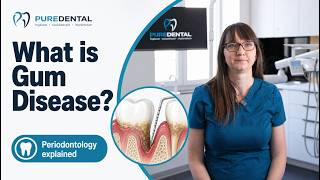
Periodontal disease (periodontitis) is a chronic inflammatory disease affecting the tissues surrounding and supporting the gums and teeth.

The main cause is tartar, which forms from plaque deposits and in which bacteria settle.

These bacteria cause inflammation in the gums, which, if left untreated, can lead to gingivitis, then gum recession, then bone loss, and finally tooth loss.

Who should consider periodontal treatment?

Periodontal treatment is recommended for anyone who has gum or periodontal problems and wants to avoid tooth loss. It is also worth visiting our specialist if you only have mild symptoms, as early intervention can stop the process and preserve the long-term stability of your teeth.

What are the most common symptoms of periodontal disease?

  • Gum bleeding when brushing teeth, eating, or spontaneously, is the most common sign, yet despite this, or perhaps because of it, many people do not even consider it to be a problem.
  • Red, swollen, and sensitive gums
  • Bad breath (halitosis)
  • Receding gums, which expose the neck of the tooth and later the root surface, increasing tooth sensitivity.
  • Painful chewing
  • Loose teeth, due to weakening of the tissues holding the teeth in place
  • Pus discharge from the pocket between the gum and the teeth

How does periodontal treatment work at PureDental?

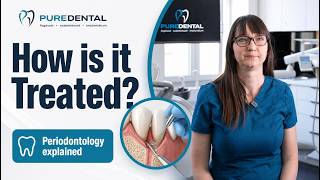
The aim of periodontal treatment is to stop gum inflammation and gum recession, and to preserve teeth. Using modern anesthesia, we remove tartar, clean the areas under the gums, and smooth the tooth surfaces. We ensure that the results are maintained through regular check-ups.

17_Tooth

1. Free dental assessment and treatment plan

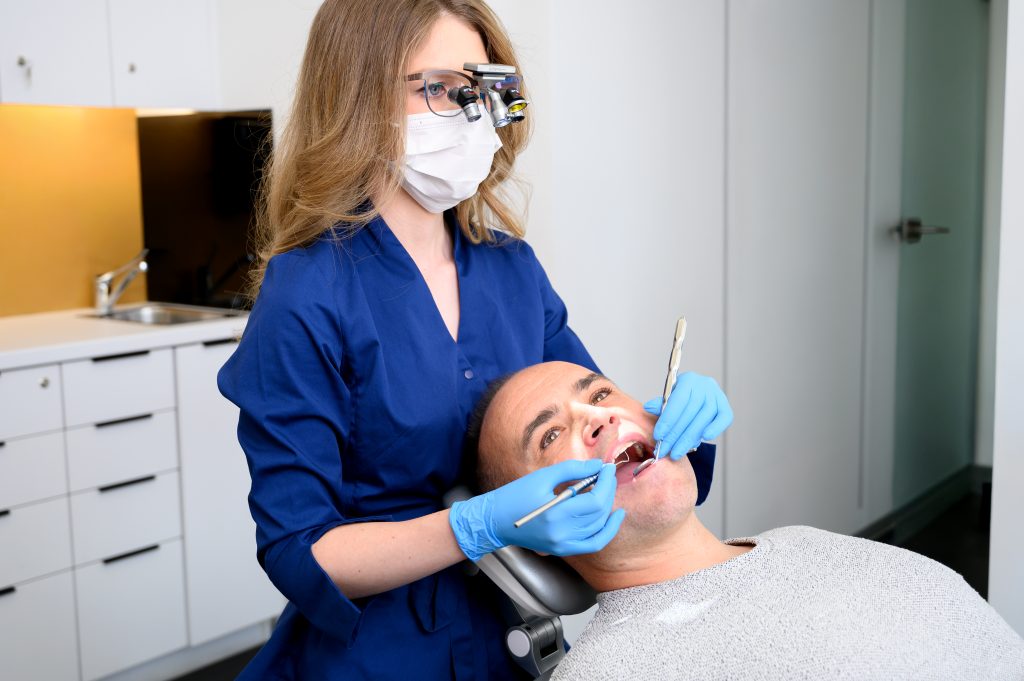
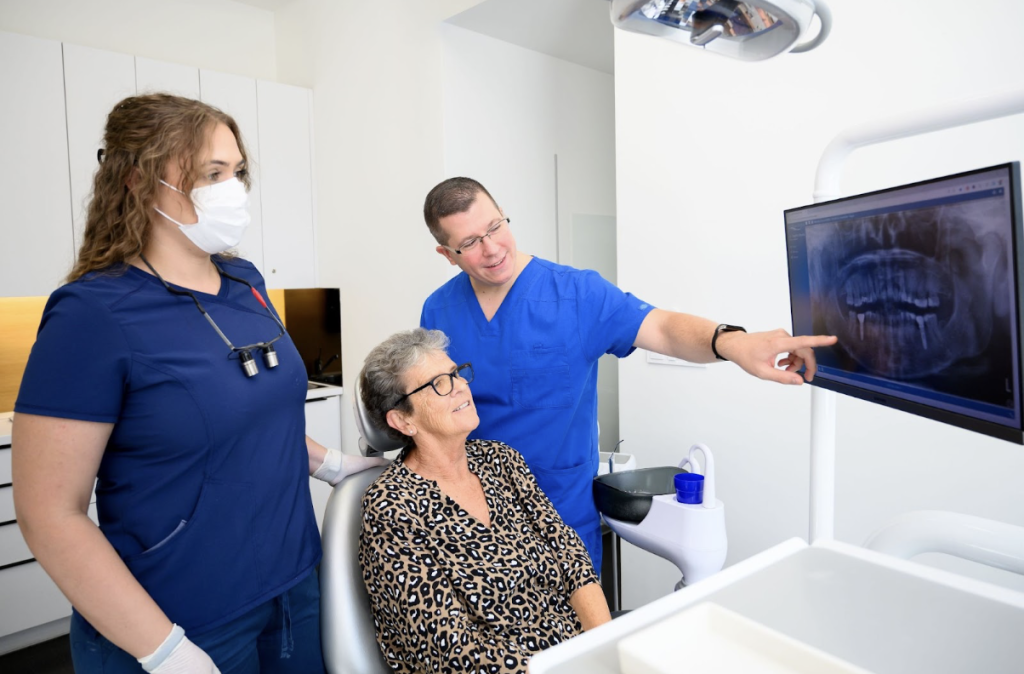
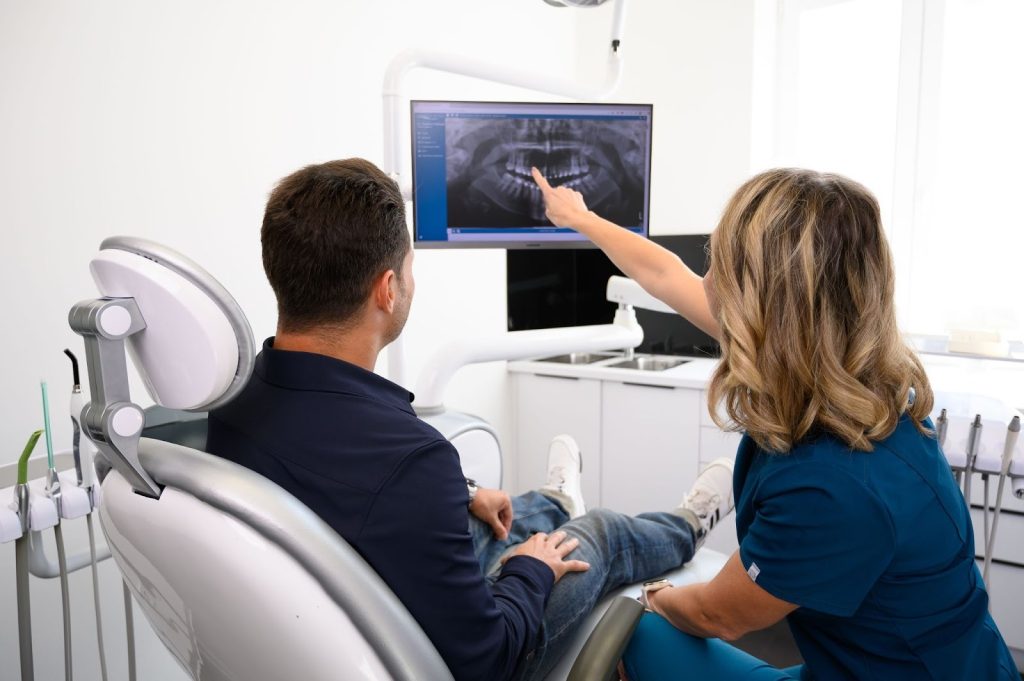
During your first visit, we will perform a free assessment to give you a comprehensive overview of the health of your teeth and gums. If a consultation with a periodontist is recommended, the specialist will thoroughly examine the problem and prepare a personalized treatment plan, including the necessary steps, duration, and costs.

17_Tooth

2. Personalized, painless periodontal treatment

The treatment is performed gently, under local anesthesia, and is completely painless. In milder cases, we remove tartar and inflamed tissue from under the gums with a closed curette, while in more severe cases, we perform open surgical exploration to gain access to deeper gum pockets. If necessary, modern regeneration therapy (e.g., Emdogain) aids bone and tissue regeneration, restoring tooth stability and gum health.

17_Tooth

3. Aftercare and regular check-ups

After treatment, we provide personalized home oral hygiene recommendations, followed by biannual check-ups and professional cleaning to ensure long-term results.

Our periodontal treatments

Closed curette – gentle deep cleaning

We remove tartar and inflamed tissue from under the gums under local anesthesia, without surgical exposure.

Open curettage – surgical exploration in severe cases

We use surgical exploration to gain access to deep gum pockets, then clean and stimulate regeneration in the area.

Emdogain – modern regenerative therapy

We stimulate bone and tissue regeneration with natural protein gel, restoring the stability of the teeth.

Frequently asked questions about periodontal disease and periodontology

We have compiled answers to the questions most frequently asked by our patients regarding periodontal disease and periodontal treatments.

How is periodontal disease diagnosed?

The periodontal examination consists of a gum examination, pocket depth measurement, and X-ray or 3D CBCT imaging. This allows for accurate determination of gum recession, inflammation depth, and bone loss.

  • Irregular or inadequate oral hygiene
  • Long-standing tartar and plaque
  • Smoking
  • Diabetes
  • Genetic predisposition
  • Poorly fitting dentures
  • Infection in the oral cavity
  • Tooth loss
  • It is considered a primary focal disease because it increases: the risk of developing cardiovascular diseases, complications of diabetes, the risk of stroke, and the risk of lung diseases. (stroke)
  • lung diseases risk
  • patchy hair loss development
  • skin diseases occurrence
  • premature birth and low birth weight risk

Proper oral hygiene (brushing twice a day, flossing, interdental cleaning), regular tartar removal, and biannual dental checkups are the most effective forms of prevention.

In the early stages (gingivitis), yes, with professional cleaning and proper home care. In advanced periodontitis, the process is irreversible, but it can be stopped and stabilized with treatment.

Not in the classic sense, but it is caused by bacteria that can be transmitted through saliva. However, predisposing factors (poor oral hygiene, smoking, diabetes) are also necessary for its development.

Gingivitis only affects the gums and is reversible. Periodontal disease also damages the bone, causing gum recession and loose teeth, and requires special periodontal treatment.

Closed curettage is a minimally invasive procedure performed under local anesthesia, during which tartar and inflamed tissue are removed from the surface of the tooth root beneath the gum line. We use special curette channels and an ultrasonic scaler for this procedure. The aim of the treatment is to eliminate inflammation, promote gum regeneration and prevent further deterioration of periodontal disease.

In cases of advanced periodontitis and gum disease, closed curettage is no longer sufficient. In such cases, we perform open curettage, which is a minor oral surgical procedure: we surgically open the gums to gain full access to the deeper bone pockets. We remove the inflamed tissue, clean the root surface, then close the area and encourage regeneration.

Emdogain, a gel containing a natural protein called amelogenin, is a modern tool in regenerative periodontology. This gel is applied to the cleaned tooth root and the inner surface of the bone pocket, and then the gum is closed.

Emdogain stimulates natural tissue regeneration, helps restore the tooth’s supporting fibers, and supports healing with its antibacterial effect. It is quick and gentle to use, and clinically proven to be effective.

Make an appointment at our clinic!

Call now or register online, and we will contact you within 3 hours during business hours.

puredental budapest

Tájékoztatjuk kedves pácienseinket, hogy klinikánk december 24. és január 4. között zárva tart.

Január 5-től, újra a megszokott nyitvatartási időben várjuk kedves pácienseinket.